


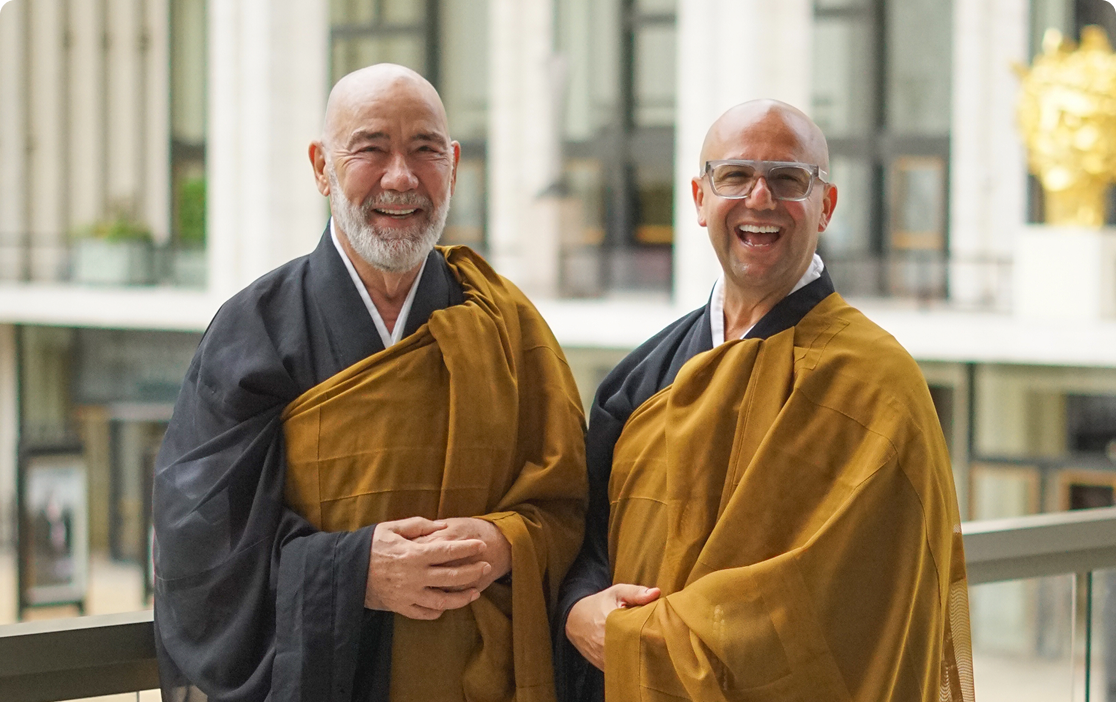
On the final full day of sesshin (silent retreat), Chodo sensei takes up a story from Zen Flesh, Zen Bones about Shichiri, a Zen master confronted by a thief wielding a sword.
Shichiri gives the man his money, reminds him to leave enough for the next day’s taxes and even asks him to say thank you. Years later, after serving a prison sentence, the thief returns and becomes his disciple.
The story raises a profound question: What happens when we refuse to reduce another person (or ourselves) to the worst thing they have ever done?
Drawing on his years offering prison dharma at Sing Sing, Chodo reflects on meeting men whom the world had labeled murderer, dealer, rapist, or offender. Zen practice does not erase harm or eliminate accountability, he reminds us. But neither does it allow a single action, wound, or identity to become the whole story of a human life.
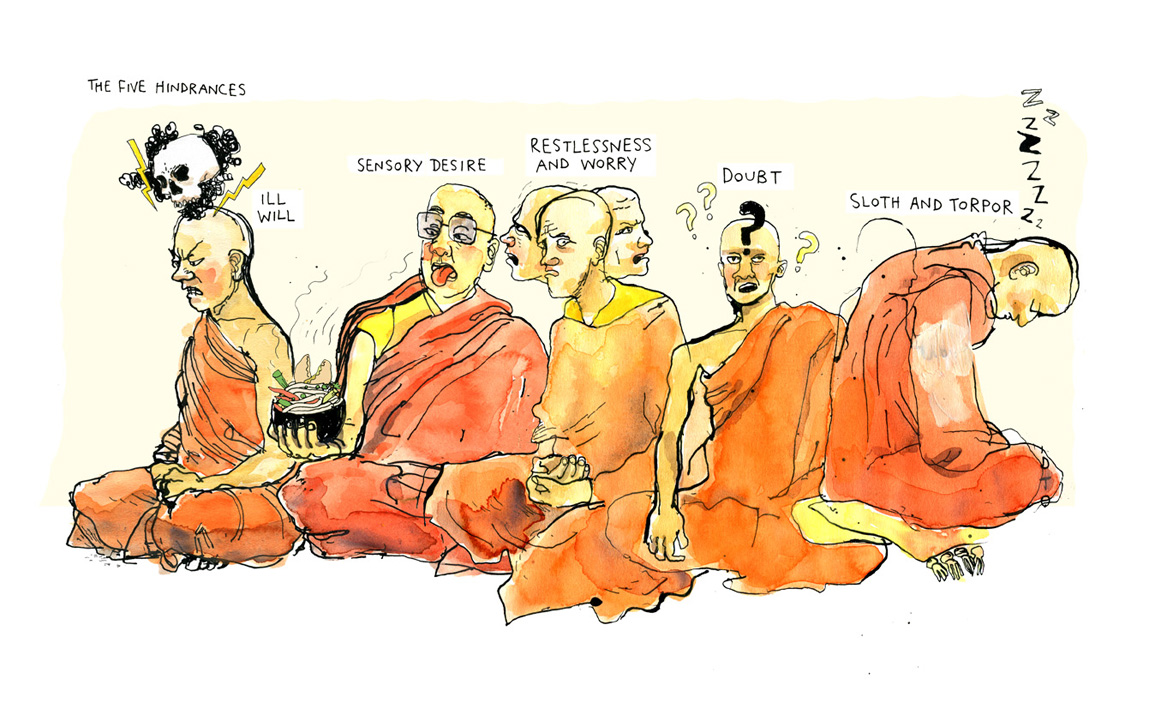
During sesshin, another kind of thief appears: the voice that says you're not worthy, that steals the present by dragging it into the past, that insists we already know who we are. As practitioners prepare to receive the Buddha's robe, Chodo offers a different understanding. Jukai is about trusting that you have never only been the story you've told yourself. The robe of liberation weaves in every aspect of your being.
MUSIC
Heart Sutra by Kanho Yakushiji – Buddhist priest and musician of the Rinzai sect and Imaji temple in Imabari, Japan. In 2003, he formed “KISSAQUO”, a songwriting duo based in Kyoto.

%20(2).jpg)
%203.png)
.png)



.png)

